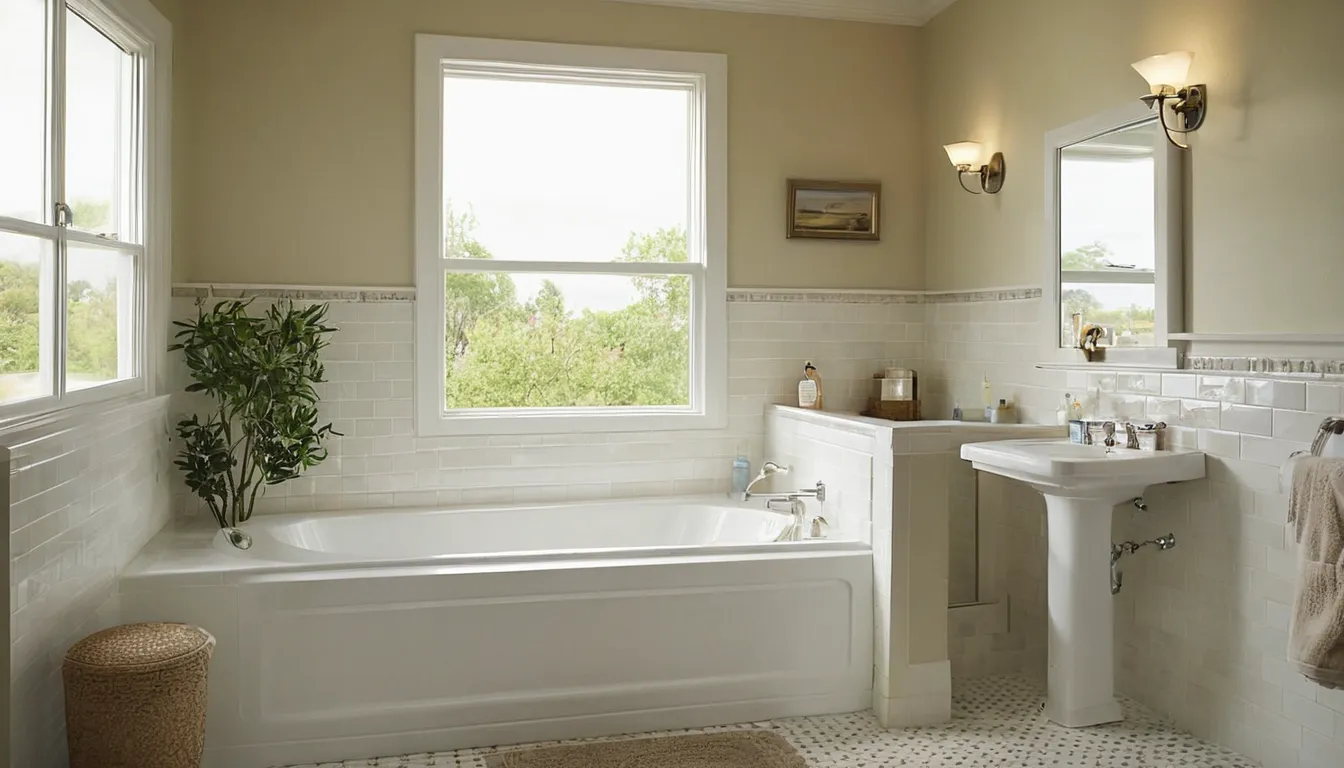
Stepping over the side of a tub can feel scary. Maybe you have slipped once, or you worry about a parent who lives with you. A walk-in tub has a low door you open and step through. You sit down, close the door, and the tub fills.
Ownshand Walk-In Tubs is a referral service. We do not do the work. We connect you with an independent provider in our network who serves the Lovejoy area. Many of them know older houses well, with their aging pipes, past repairs and tight bathrooms. You can ask questions about seats, doors and grab bars, and request an estimate with no obligation. Take your time, compare your options, and ask for a written quote before you decide anything.
Bathing Feels Risky? Start Here
If getting in and out of your tub makes you nervous, you are not alone. Wet surfaces, a high edge and tired legs are a hard mix. A walk-in tub is built to take most of that worry away.
The idea is simple. The tub has a watertight door set into its side. You step in at a low height, sit on a built-in seat, and close the door. Then the water comes in.
If a fall has already happened, treat that as a sign to act soon. Request a callback to check provider availability in your area.
Who a Walk-In Tub Suits
Most people who look at these tubs share a few things in common. They want to keep bathing at home, and they want to feel steady while they do it.
A walk-in tub may be a good fit if you:
- Have sore joints, weak legs or trouble balancing
- Find it hard to lift your feet over a tub wall
- Care for someone who needs help in the bathroom
- Enjoy a long, warm soak and miss it
Senior walk-in tubs are popular, but they are not only for seniors. Anyone recovering from surgery or living with a long-term condition may also benefit.
Features Worth Knowing About
Walk-in tubs come with many options. You do not need all of them. Pick the ones that match your daily needs.
- Low entry step: A shorter step means less lifting.
- Grab bars: Strong bars give you something to hold as you sit and stand.
- Textured floor: A slip-resistant surface helps your feet stay put.
- Seat height: A seat at a comfortable level makes sitting down easier.
- Handheld sprayer: Handy for rinsing and for caregivers.
- Quick-drain system: Water leaves faster, so you wait less in a cooling tub.
Soaker, Jetted and Combination Models
A soaker is the plain version. It has a deep seat and a door, and nothing more. It is often the simplest and the most affordable.
A jetted model adds water or air jets. Many people like them for sore muscles. They need a bit more upkeep, since the lines should be cleaned.
A combination model offers both. You get soaking, jets and sometimes a heated seat. Ask the provider what each option adds to the price and to the cleaning routine.
Older Homes Need a Closer Look
Older houses have charm, and they also have surprises. Behind the tub there may be old plumbing, soft flooring or walls that were patched years ago. Some mill-era homes have narrow bathrooms and doorways, too.
A good provider will check these things before the work starts. Ask them to look at the floor under the tub, the drain, and the supply lines. Finding a problem early is much easier than finding it halfway through.
In homes built on a crawl space, the provider may want to look underneath the bathroom. In homes on a slab, the drain may be harder to move. Neither is a deal breaker. It just needs a plan.
What the Installation Involves
A typical job follows a clear order. The provider measures the space, removes the old tub, and prepares the plumbing and floor. Then they set the new tub, connect the water and drain, and seal and test it.
This is a tub replacement, so expect some noise and dust. Many jobs take a few days, but the time varies with the home and the model. Your provider can give you a realistic schedule.
Some walk-in tubs need a wider space or a stronger floor than a standard tub. A visit to your bathroom is the surest way to learn what yours needs.
Check Your Water Heater
This step surprises many people. A walk-in tub holds a lot of water, and you sit in it while it fills and drains. The tub must be filled with the door closed, so the water should stay warm the whole time.
If your water heater is small or old, the water may cool before you finish. Ask the provider how many gallons the tub holds. Then compare that to your heater. Sometimes a larger heater is the right pairing.
Questions to Ask the Installer
Ask before you commit. A calm list of questions helps you compare providers fairly.
- Will you inspect the floor and plumbing before quoting?
- What happens if you find damage behind the old tub?
- How many gallons does the tub hold, and how long does it take to fill and drain?
- Is the door seal covered by a written warranty, and for how long?
- Who handles permits, if my area needs them?
- Can you help document the work if I file a claim with my insurer?
Get answers in writing. A clear written quote protects you and keeps surprises small.
Planning Around a Busy Household
If kids, work and appointments fill your week, say so up front. Ask the provider to explain the schedule day by day. Ask which days the bathroom will be unusable and where everyone can wash in the meantime.
A good plan keeps disruption low. Clearing the bathroom, moving the car from the driveway and setting pets aside can all save time.
Living With a Walk-In Tub
Before you use it, learn the routine. You sit, close the door, and fill the tub. When you finish, you drain the water and wait for it to empty before you open the door. That wait is normal.
Some people place a warm towel nearby and run a little hot water over the seat first. It makes the wait more comfortable. Wipe the door seal now and then, and clean jets as the maker advises.
Involve the Person Who Will Use It
The tub is for one person's body, so that person should help choose it. Let them sit in a model at a showroom if you can. Check seat height, reach to the controls and how the door feels.
Talk about worries openly. Some people fear the wait while the tub drains. Others dislike the idea of a big change. A gentle conversation now prevents regret later.
If you are ready to talk with a local provider, Request a callback or request an estimate. There is no obligation, and you can take your time.
What's Included
Careful bathroom measuring
The provider checks your space, doorways and floor so the tub fits your home and not just a catalog picture.
Old tub removal
The existing tub is taken out and hauled away as part of the job.
Plumbing and sealing
Water lines and drain are connected, then the door seal is tested before anyone steps in.
Walkthrough of controls
The provider shows you how the door, fill, drain and any jets work before they leave.
What Walk-In Tubs Typically Cost
Prices across the U.S. vary a lot by model, bathroom size and home condition. Older houses may need extra repairs. The ranges below are typical only, so get a written quote from a provider before you decide.
| Item | Typical range | Notes |
|---|---|---|
| Basic soaker tub with installation | $4,000 – $9,000 | Simplest style; fewer features |
| Jetted or combination tub | $6,000 – $15,000 | Jets add cost and upkeep |
| Removing the old tub | $300 – $1,200 | Depends on access and material |
| Plumbing changes | $500 – $2,500 | Older pipes may need updating |
| Floor repair or reinforcing | $500 – $3,000 | More common in older homes |
| Electrical work for heaters or jets | $300 – $1,500 | May need a dedicated circuit |
How It Works
Share Your Situation
Tell us about your home and who will use the tub. Request a callback or use the request form.
Get Matched Locally
We connect you with an independent provider in our network near you.
Review the Written Quote
The provider visits, looks at your bathroom, and gives you a quote to compare.
Schedule the Work
Pick a time that fits your household. The provider handles the installation.
Why Call Ownshand Walk-In Tubs
Plain Guidance
We explain each step in everyday words, so you know what to expect before you talk with any provider.
Local Providers
Independent providers in our network serve your part of the state and know local homes.
Older-Home Focus
We point you to providers who plan for aging pipes, past repairs and surprises behind the walls.
No Pressure
Ask questions and request an estimate with no obligation. You decide when and if to go ahead.
Other Services
Need walk-in tubs in Lovejoy?
Questions about a walk-in tub or safer shower? Request a callback or send a request. A local provider in our network can follow up with you.
No obligationWalk-In Tubs FAQ
How much does a walk-in tub cost?
Typical U.S. prices range from about $4,000 to $15,000 installed, depending on the model, plumbing needs and the age of your home. Always get a written quote before you decide.
Will insurance or Medicare pay for a walk-in tub?
Coverage varies. Medicare usually does not pay for walk-in tubs. Some policies may cover sudden damage, so check your own policy. A provider can often help document the work for a claim.
Can a walk-in tub go in an older house?
Often yes. The provider will check the floor, plumbing and bathroom size first. Older homes may need small repairs, so ask for a written quote that covers them.
We service you here
Request a callback
Questions about a walk-in tub or safer shower? Request a callback or send a request. A local provider in our network can follow up with you.
No obligation